
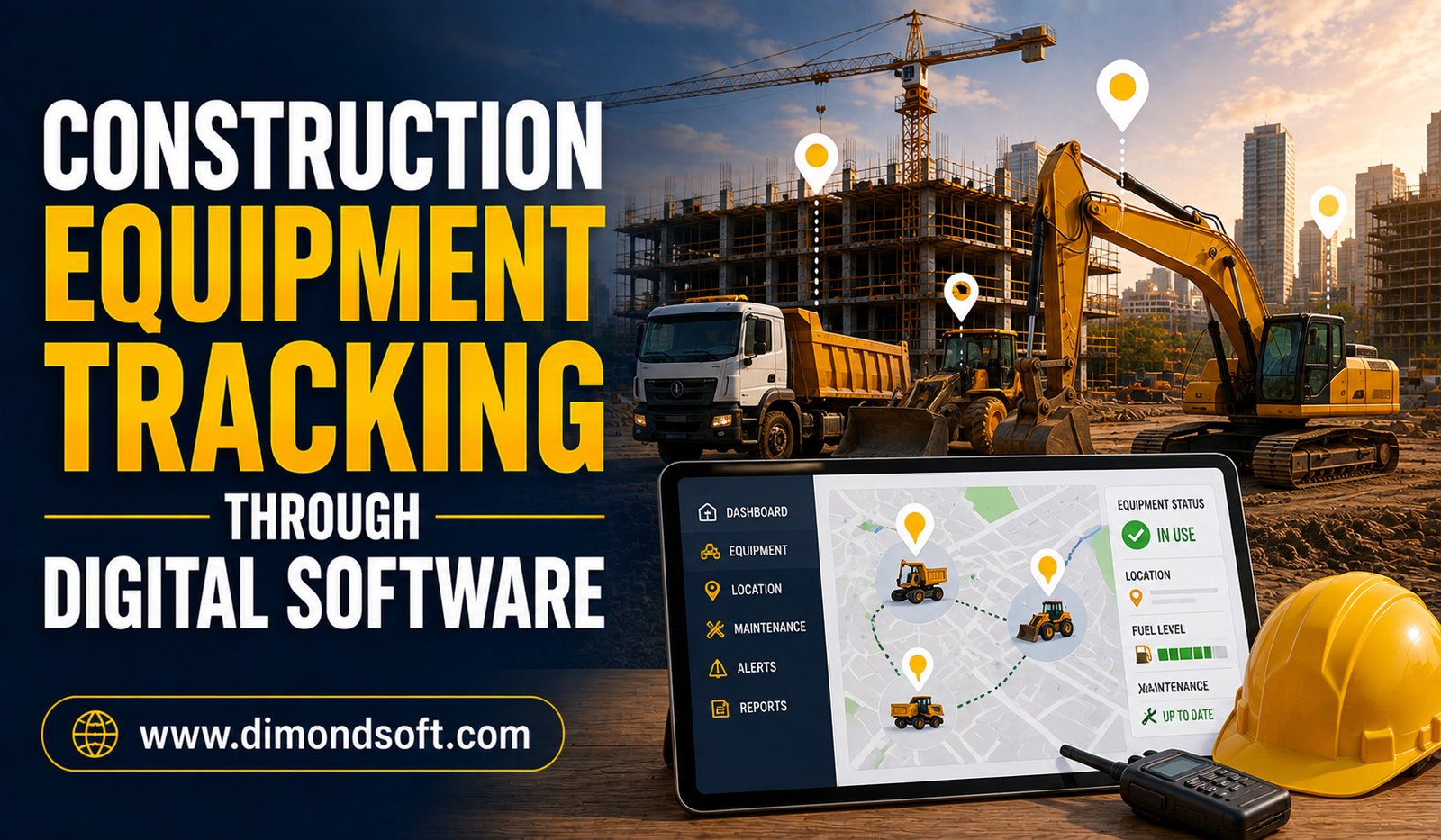
Construction equipment represents a major investment for contractors. Excavators, cranes, loaders, bulldozers, lifts, trucks, compactors, generators, and other machines are essential for completing projects efficiently. However, managing these assets can become complicated when equipment is spread across multiple jobsites, shared between teams, or rented from outside suppliers.
Without a reliable tracking system, contractors may struggle to know where equipment is located, who is using it, whether it is available, and when maintenance is required. These problems can lead to unnecessary rental expenses, idle machinery, missed maintenance, project delays, and poor asset utilization.
Digital equipment tracking software is changing how construction companies manage their machinery. Instead of depending on spreadsheets, paper logs, phone calls, and manual inspections, contractors can use centralized digital systems to monitor equipment information and make faster decisions.
The purpose of equipment tracking is not simply to know where a machine is. A modern digital system can provide a broader view of equipment location, utilization, maintenance, operating hours, costs, and availability. This information can help contractors get more value from their equipment while reducing avoidable expenses.
What Is Construction Equipment Tracking Software?
Construction equipment tracking software is a digital solution designed to help companies monitor and manage machinery and other physical assets.
Depending on the platform, contractors can record equipment details, assign machines to projects, track locations, monitor usage, schedule maintenance, document inspections, and review operating costs.
Some systems can connect with GPS devices, telematics, mobile applications, or equipment sensors to collect information automatically.
Instead of asking several employees where a particular machine is located, a project manager can check the digital system and view its latest recorded information.
This centralized approach improves visibility and makes equipment management more organized.
Why Equipment Tracking Matters in Construction
Construction equipment can represent a substantial portion of project expenses. Purchasing, financing, renting, transporting, fueling, repairing, and maintaining machines all affect a contractor’s bottom line.
Poor equipment management can create hidden costs. A machine may remain unused at one jobsite while another project rents the same type of equipment. Maintenance may be overlooked until a breakdown occurs. Equipment may also spend too much time being transported between locations.
Digital tracking helps companies understand how their equipment is being used.
When managers know where machines are and how frequently they are operating, they can make better decisions about allocation, maintenance, replacement, and rental requirements.
Centralized Equipment Records
One of the first benefits of digital tracking is centralized equipment information.
A contractor may have hundreds of machines and smaller assets, each with different purchase dates, serial numbers, maintenance requirements, insurance information, and operating histories.
Managing this information through separate spreadsheets can be difficult.
Equipment management software can create digital profiles for individual assets. Managers can record details such as equipment type, model, identification number, location, ownership status, and assigned project.
Keeping this information together makes it easier to retrieve when needed.
Real-Time Equipment Location
Knowing where equipment is located can be especially important for contractors operating across multiple projects.
GPS-enabled tracking can provide location information for compatible machines. Managers can use this information to understand where assets are currently operating or where they were last recorded.
Location visibility can help reduce unnecessary equipment movement. If a project needs a particular machine, managers can check whether an available unit is already nearby.
This may reduce transportation costs and improve equipment utilization.
Location tracking can also support asset recovery if equipment is moved unexpectedly, although companies should ensure their tracking practices comply with applicable laws and contractual requirements.
Improving Equipment Utilization
Equipment that sits unused still creates costs. Ownership expenses, depreciation, insurance, storage, and maintenance continue even when a machine is not generating project value.
Digital tracking software can help contractors measure utilization. Managers can compare how frequently equipment is used across different projects and identify machines that remain idle for extended periods.
This information can support better allocation decisions.
For example, if one project has an underused loader while another project is considering a rental, the contractor may be able to move the existing machine instead of paying for additional equipment.
Improved utilization can increase the value generated from the company’s existing fleet.
Maintenance Scheduling
Preventive maintenance is essential for keeping construction equipment reliable. Delaying maintenance can increase the likelihood of breakdowns and expensive repairs.
Digital equipment tracking systems can help contractors schedule maintenance based on dates, operating hours, mileage, or manufacturer requirements.
Managers can receive reminders when inspections, servicing, oil changes, or other maintenance activities are approaching.
Maintenance records can also be stored digitally, creating a history for each machine.
This helps teams understand what work has been completed and what may be required in the future.
Reducing Unexpected Breakdowns
Equipment breakdowns can cause serious disruptions. When a critical machine stops working, workers may have to wait, schedules can change, and replacement equipment may need to be rented.
Digital tracking cannot prevent every mechanical failure, but it can help contractors identify maintenance requirements earlier.
Operating-hour information and maintenance alerts allow teams to take a more proactive approach.
Instead of waiting for a machine to fail, contractors can schedule service during an appropriate period when the equipment can be taken out of operation with minimal impact on the project.
Equipment Inspection Management
Inspections are another important part of equipment management. Before machinery is used, operators may need to check important components and identify defects or safety concerns.
Digital inspection forms can replace paper checklists. Operators can complete inspections using mobile devices and record issues immediately.
Photos can be attached to inspection records when necessary.
If a serious problem is identified, the equipment can be flagged for maintenance or removed from service according to the company’s safety procedures.
Digital inspection records also create a searchable history that managers can review later.
Fuel and Operating Cost Monitoring
Fuel is a significant operating expense for many types of construction equipment.
Digital tracking systems connected to suitable telematics or fuel-management tools can help contractors monitor fuel consumption and operating patterns.
Managers can compare fuel usage between machines or projects and identify unusual changes.
If one machine consistently consumes significantly more fuel than similar equipment performing comparable work, the company can investigate potential mechanical, operational, or utilization issues.
Better fuel visibility can help contractors control operating expenses and identify opportunities for efficiency improvements.
Managing Equipment Rentals
Contractors frequently rent equipment when their own fleet cannot meet project requirements. Rental costs can quickly add up when machines remain on-site longer than necessary.
Digital equipment management software can help track rental start dates, expected return dates, costs, and project assignments.
Managers can receive reminders about upcoming rental deadlines and determine whether equipment is still required.
Better visibility can reduce unnecessary rental extensions and help companies return machines promptly when work is completed.
Equipment Assignment Across Projects
When contractors manage several projects, equipment needs to be allocated carefully.
Digital tracking provides a clearer view of which machines are assigned to each jobsite. Managers can compare current assignments with upcoming project requirements.
This can improve planning before a new project begins.
Instead of discovering at the last minute that required equipment is unavailable, project managers can review the fleet in advance and determine whether machines need to be transferred, purchased, or rented.
Tracking Equipment Costs
Understanding the total cost of equipment ownership is important for making investment decisions.
Digital systems can help contractors track expenses such as maintenance, fuel, repairs, transportation, rentals, and other operating costs.
Over time, these records can provide a clearer picture of how much individual machines actually cost to operate.
This information can support decisions about whether to keep repairing older equipment or replace it with newer machinery.
Cost tracking can also help contractors estimate equipment expenses more accurately when preparing project bids.
Improving Accountability
Equipment is often operated by multiple employees and subcontractors. Without proper records, it can be difficult to determine who was responsible for a machine at a particular time.
Digital assignment and usage records can improve accountability.
Managers can record which employee or project has been assigned to specific equipment. Operators can also complete digital inspection and usage records.
This does not eliminate the need for proper supervision and company policies, but it creates better documentation and encourages more responsible equipment handling.
Mobile Access for Field Managers
Equipment management often happens outside the office. Supervisors need access to equipment information while visiting jobsites, inspecting machinery, or coordinating transfers.
Mobile applications allow field managers to access asset records, update equipment status, complete inspections, and report problems directly from the jobsite.
This reduces delays caused by waiting for paperwork or returning to the office to enter information.
Real-time field updates also give equipment managers a more current understanding of fleet conditions.
Using Telematics and IoT Data
Modern construction equipment can generate significant amounts of operational data. Telematics systems and connected sensors can provide information about location, engine hours, fuel consumption, idle time, and other equipment conditions, depending on the machine and technology used.
When this data is integrated with equipment management software, contractors can gain deeper insight into fleet performance.
For example, excessive idling may indicate an opportunity to improve operating practices or equipment allocation.
The value of connected equipment depends on how companies use the information. Collecting large amounts of data without analyzing it does not automatically improve operations.
Equipment Tracking and Safety
Equipment management also has a connection to workplace safety.
Knowing the condition and inspection status of machinery can help contractors maintain better control over equipment used on jobsites.
Digital inspection records make it easier to identify unresolved issues. Maintenance alerts can support preventive servicing, while assignment records can help companies maintain documentation around equipment use.
Safety software and equipment tracking systems can also work together to provide a more complete view of equipment-related risks.
Technology should support established safety procedures rather than replace qualified inspections, operator training, or professional judgment.
Challenges of Digital Equipment Tracking
Implementing digital tracking is not without challenges.
GPS and telematics devices may require installation and ongoing costs. Employees may need training, and older equipment may not support advanced connectivity.
Data accuracy is also important. If equipment records are not updated or devices are not functioning properly, managers may make decisions using incomplete information.
Companies should therefore establish clear procedures for maintaining digital records and responding to equipment alerts.
Privacy and data security should also be considered, particularly when systems collect information related to employees, vehicle locations, or equipment operation.
Choosing the Right Equipment Tracking Solution
The best equipment tracking software depends on the size and needs of the contractor.
Companies should consider features such as GPS tracking, maintenance scheduling, inspection management, utilization reporting, rental tracking, cost monitoring, mobile access, and integrations.
Ease of use is particularly important for field teams. If operators find the system complicated, they may avoid entering information consistently.
Contractors should also evaluate whether the platform can scale as their equipment fleet and project portfolio grow.
The Future of Digital Equipment Management
Equipment tracking is likely to become more connected as construction technology advances. Artificial intelligence, telematics, sensors, predictive maintenance, and cloud platforms can provide increasingly detailed information about machine performance.
Predictive analytics may help contractors identify potential equipment problems before failures occur. More advanced systems could also recommend equipment allocation based on utilization, project requirements, location, and operating costs.
These technologies could help construction companies move from reactive equipment management toward a more proactive approach.
Conclusion
Construction equipment tracking through digital software gives contractors greater visibility into one of their most valuable resources. By monitoring equipment location, utilization, maintenance, inspections, costs, assignments, and rental periods, companies can make more informed decisions.
The biggest advantage is not simply knowing where a machine is. Digital tracking can help contractors reduce idle time, avoid unnecessary rentals, schedule maintenance, improve accountability, and understand the true cost of operating their equipment.
Successful implementation requires reliable data, employee training, appropriate technology, and clear management procedures. When these elements work together, digital equipment tracking can turn fleet management from a largely manual process into a more organized and data-driven operation.
As construction businesses continue adopting digital technology, equipment tracking will become an increasingly important part of improving productivity and controlling costs. Contractors that manage their equipment efficiently can get more value from existing assets while reducing avoidable downtime and keeping projects moving more effectively.